Oolong Tea
Introduction
Oolong tea is a traditional Chinese tea that occupies a distinct position among the six major tea types, known for its unique flavor and production methods. It is a semi-fermented tea that combines the qualities of both green and black teas, offering a diverse range of flavors and aromas. Oolong tea is revered not only for its taste but also for its numerous health benefits, cultural significance, and economic impact. The art of making oolong tea, particularly varieties like Tieguanyin, is deeply rooted in Chinese tea culture and is often considered a national treasure.
History
Oolong tea's origins trace back to the southeastern regions of China, particularly Fujian province, which is renowned for its rich tea-growing history. The tea's name, "oolong", translates to "black dragon" in English, a reference to the dark, curled appearance of the processed tea leaves. Historically, the processing of oolong tea involved intricate techniques that were developed over centuries by skilled tea artisans. These methods were passed down through generations, contributing to the tea's esteemed reputation.
Production
Cultivation
The cultivation of oolong tea requires specific geographical conditions, including altitude, climate, and soil quality. Fujian province, with its ideal environment, is a major center for oolong tea production. Tea plants are carefully nurtured to ensure the highest quality leaves are harvested. This meticulous cultivation process is the foundation for producing high-quality oolong tea, as the leaves' condition directly impacts the final product's flavor and aroma.
Processing Techniques
Oolong tea production involves a series of complex processing techniques that blend traditional craftsmanship with modern innovations. The process begins with careful plucking of tea leaves, followed by withering, tossing, oxidation, fixation, rolling, and drying. Each step requires precise control over variables like temperature and humidity to achieve the desired level of oxidation, which distinguishes oolong tea from other types.
Varieties
Among the various types of oolong tea, Tieguanyin and Da Hong Pao stand out as particularly famous. Tieguanyin, originating from Anxi county, is celebrated for its floral aroma and rich taste. Da Hong Pao, from Wuyi Mountains, is known for its bold, rocky flavor. These varieties, each with distinct characteristics, have gained international acclaim and are sought after by tea connoisseurs worldwide.
Oolong tea offers a broad spectrum of taste profiles, ranging from light and floral to robust and toasty. The degree of oxidation and specific processing techniques contribute to these diverse flavors. For example, lightly oxidized oolongs possess floral and creamy notes, while more heavily oxidized varieties offer roasted and nutty flavors. This versatility makes oolong tea a favorite among those who appreciate complex and nuanced beverages.
Preparation and Consumption
Brewing Techniques
Brewing oolong tea requires specific techniques to unlock its full flavor potential. The traditional method involves using a gaiwan or a small teapot, with water temperatures ranging from 85°C to 95°C. The tea leaves are steeped multiple times, with each infusion revealing different flavor notes. Mastery of brewing techniques allows enthusiasts to experience the depth and complexity of oolong tea.
Serving Traditions
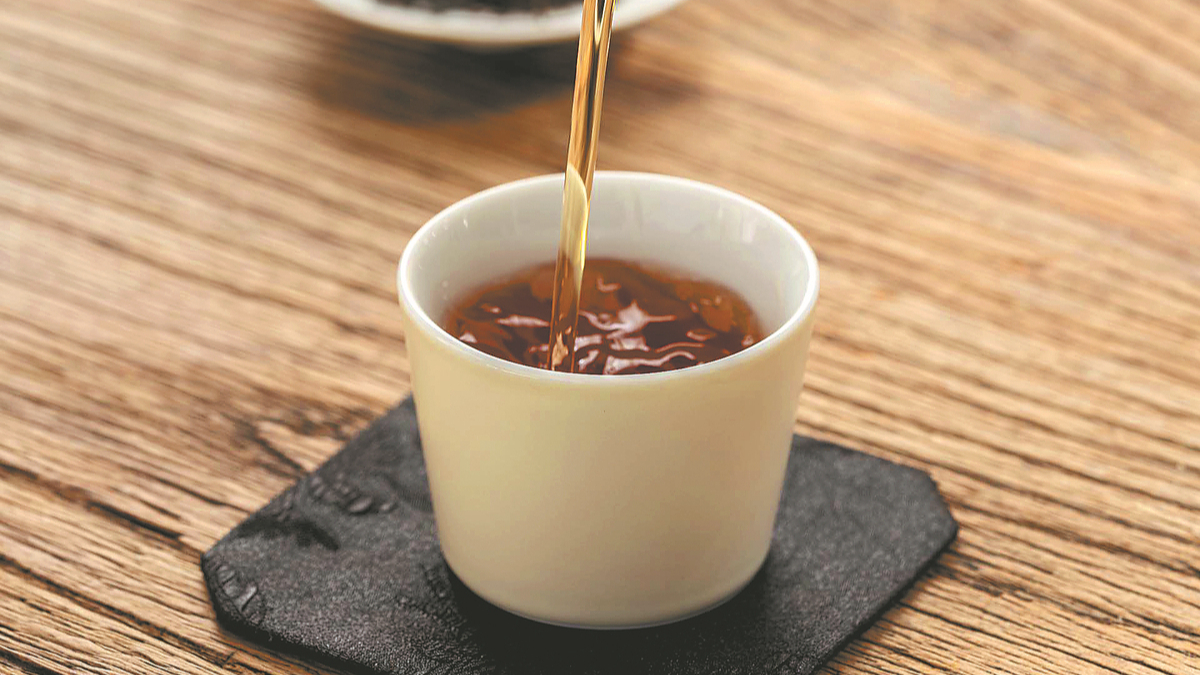
Oolong tea is often served in small, delicate cups to emphasize its intricate flavors and aromas. Traditional tea sets, including a gaiwan or yixing clay teapot, are commonly used to enhance the tea-drinking experience. The serving of oolong tea is a ritual that fosters social connections and cultural appreciation, whether in a formal tea ceremony or a casual gathering.
Health Benefits
Oolong tea is rich in antioxidants, which help combat oxidative stress in the body. These compounds, including polyphenols, contribute to the tea's ability to neutralize free radicals and support overall health. Regular consumption of oolong tea is associated with improved skin health, reduced risk of chronic diseases, and enhanced immune function.
Oolong tea has been linked to weight management benefits due to its ability to increase metabolism. The caffeine and catechins in oolong tea work synergistically to enhance energy expenditure and promote fat loss. Additionally, drinking oolong tea can help regulate blood sugar levels, supporting healthy weight maintenance.
Consuming oolong tea can contribute to heart health by improving cholesterol levels and supporting cardiovascular function. The tea's antioxidant properties help reduce the risk of heart disease by lowering LDL cholesterol and preventing plaque buildup in arteries. Regular intake of oolong tea as part of a balanced diet may promote a healthy heart and circulatory system.
Cultural Significance
Traditional Ceremonies
Oolong tea plays a central role in traditional Chinese tea ceremonies, where it is revered for its complex flavors and aromas. These ceremonies emphasize the aesthetic and sensory experience of tea drinking, highlighting the cultural importance of oolong tea in Chinese society. The preparation and serving of oolong tea are often considered an art form, reflecting the rich heritage and traditions associated with tea.
Modern Consumption Trends
In recent years, modern consumption trends have seen a resurgence in the popularity of oolong tea, particularly among younger generations. The growing interest in traditional Chinese tea has been fueled by trends like guochao, where younger consumers seek products that incorporate aspects of Chinese cultural heritage. This renewed interest has led to innovative tea products and experiences, blending traditional elements with contemporary preferences.








